A safari presents some of the most extraordinary photography opportunities on Earth — but capturing great wildlife images requires more than just pointing your camera at an animal. Here are our top tips.
Camera Settings for Game Drives
Use a fast shutter speed — 1/1000s or faster — to freeze movement in running predators or birds in flight. In low light (early morning or dusk), push your ISO to 1600 or higher rather than slowing your shutter speed.
Continuous autofocus (AI Servo on Canon, AF-C on Nikon/Sony) is essential for tracking moving animals.
Gear Recommendations
- Lens: A 100–400mm zoom gives flexibility for both portraits and habitat shots. A 500mm+ prime gives pin-sharp results but less versatility.
- Beanbag: A vehicle-window beanbag is far better than a monopod for stability on game drives.
- Extra batteries: Cold mornings drain batteries fast. Bring at least two per camera body.
- Memory cards: Bring more than you think you need — 256GB minimum.
The Golden Hours
The hour after sunrise and hour before sunset produce the most beautiful light — warm, directional, and low-angled. This also happens to be when animals are most active. Schedule your most ambitious photography for these windows.
Composition Tips
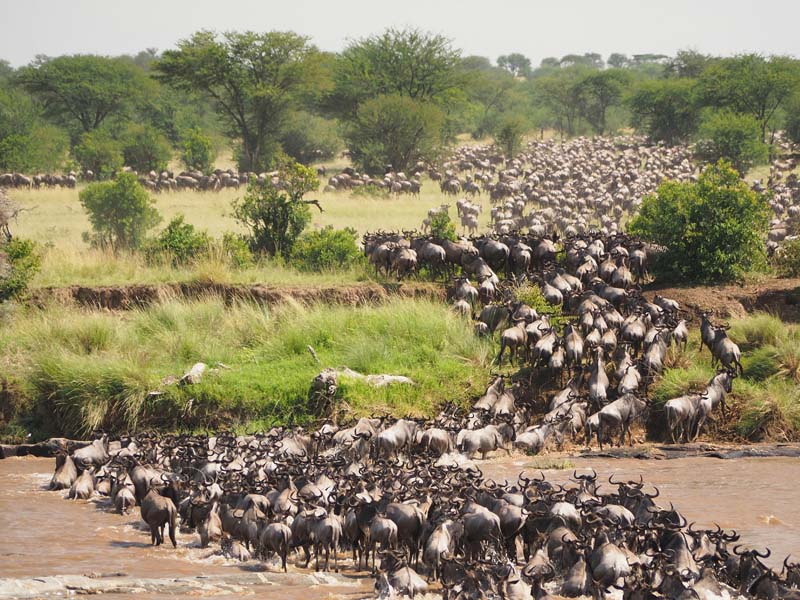
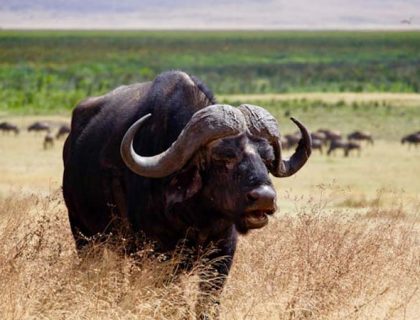
Avoid always placing your subject dead-centre. Use the rule of thirds, and try to include habitat context — an elephant against a red-dusted landscape tells a better story than a tight head shot alone. Be patient and let behaviour unfold naturally rather than rushing for the first frame.